
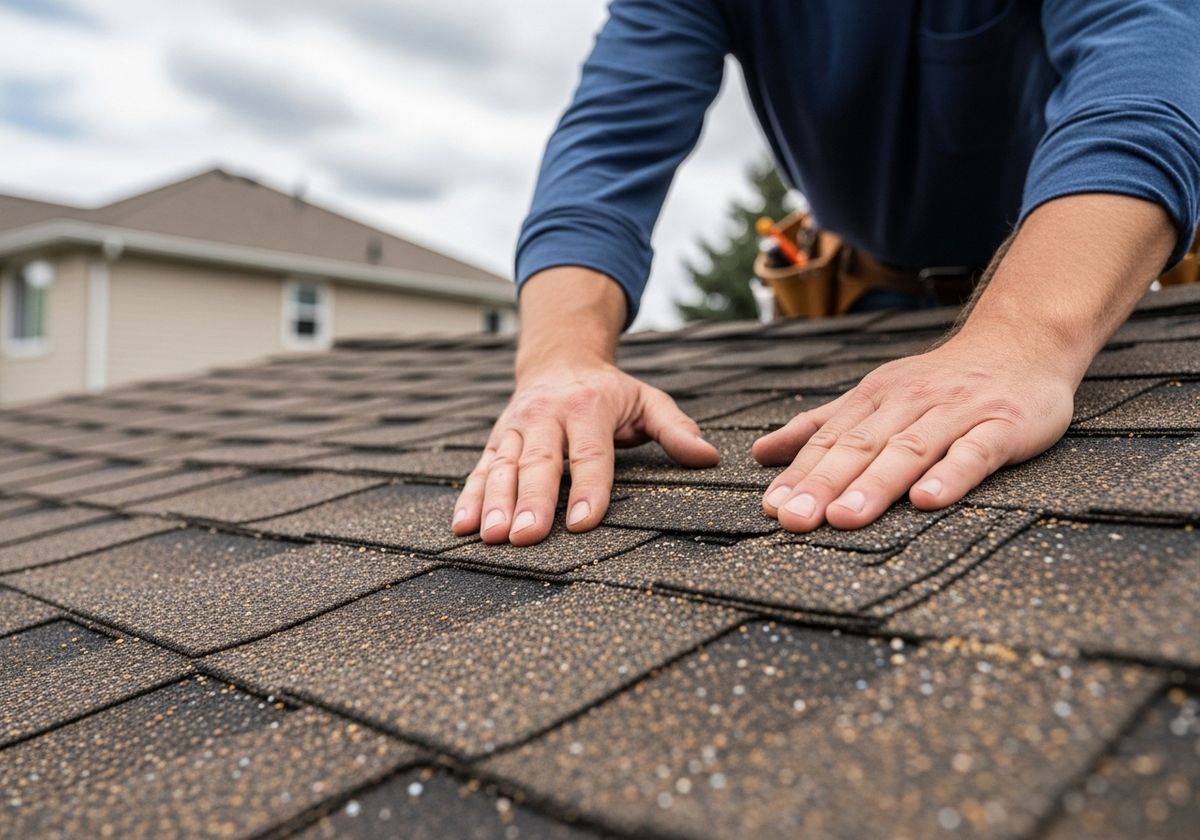
Your roof is your home's first line of defense against the elements. From scorching summer heat to harsh winter storms, it endures a lot. Over time, wear and tear are inevitable, making roof repairs a necessary part of homeownership. Understanding the basics of roof repair can save you money, time, and stress. Let's dive into everything you need to know about keeping your roof in top condition.
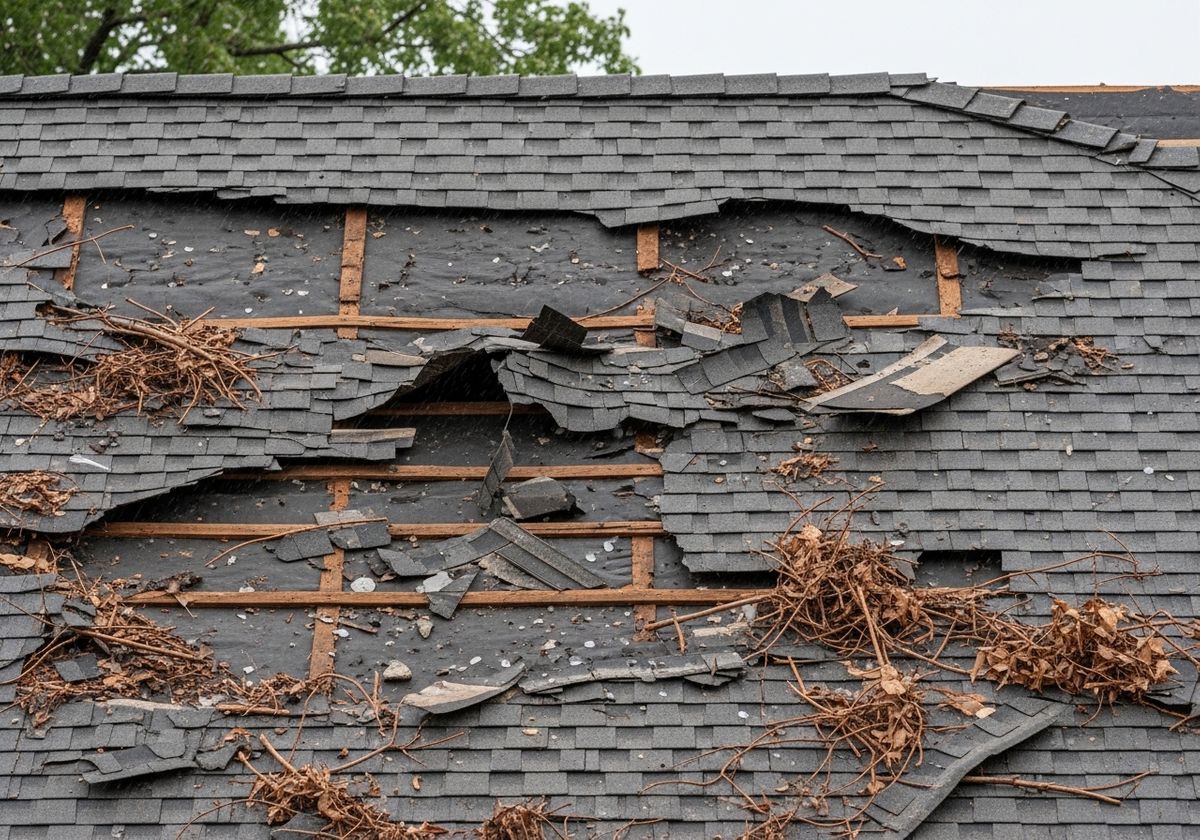
Types of Roof Damage
Roofs can sustain damage from a variety of sources. Common culprits include:
Weather: Wind, rain, snow, and hail can all cause significant damage. High winds can lift or tear off shingles, while heavy snow can cause structural stress. Hail can create dents and cracks, compromising the roof's integrity.
Age: As roofs age, the materials degrade. Shingles can become brittle and crack, sealants can dry out, and the underlayment can deteriorate.
Poor Maintenance: Neglecting regular maintenance, such as cleaning gutters and removing debris, can lead to moisture buildup and rot.
Faulty Installation: Improper installation can lead to premature failure. Issues like incorrect shingle placement or inadequate flashing can cause leaks and other problems.
Identifying Roof Problems
Regular inspections can help you catch problems early before they escalate. Here are some signs that your roof may need repair:
Missing or Damaged Shingles: Look for shingles that are cracked, curled, or missing altogether.
Leaks: Water stains on your ceiling or walls are a clear sign of a leak. Check your attic for water damage as well.
Granule Loss: Shingles lose granules as they age. Excessive granule loss can expose the underlying material and reduce the roof's lifespan.
Sagging: A sagging roof is a serious issue that could indicate structural problems. Contact a professional immediately.
Types of Roof Repairs
The type of repair needed will depend on the extent and nature of the damage. Common roof repairs include:
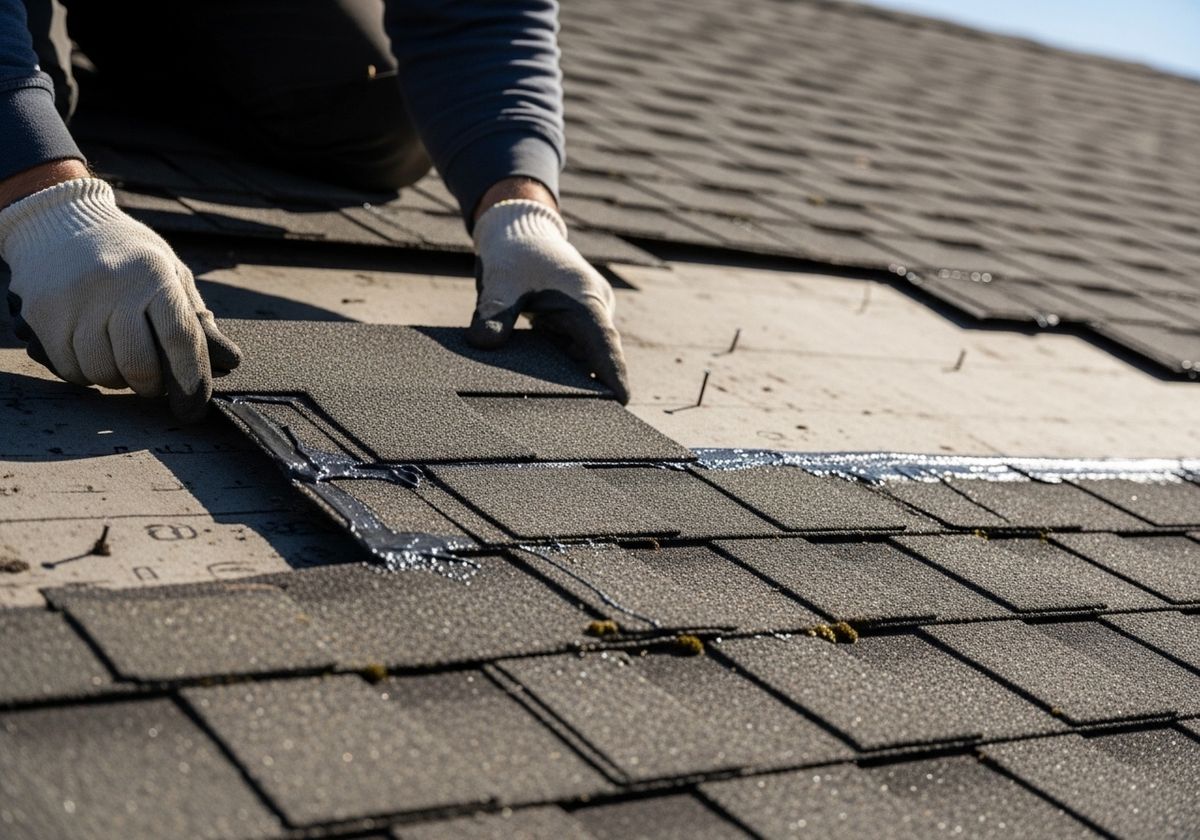
Shingle Replacement: Replacing damaged or missing shingles is a straightforward repair that can prevent leaks and further damage.
Leak Repair: Locating and sealing leaks can prevent water damage and mold growth. This may involve repairing flashing, replacing damaged shingles, or applying sealant.
Flashing Repair: Flashing is used to seal joints and prevent water from entering around chimneys, vents, and skylights. Damaged or corroded flashing can lead to leaks.
Gutter Cleaning and Repair: Keeping gutters clean and in good repair is essential for directing water away from your home's foundation and roof.
DIY vs. Professional Repairs
While some minor repairs, such as replacing a few shingles, can be done DIY, it's generally best to hire a professional roofing contractor for most roof repairs. Professionals have the expertise, experience, and equipment to safely and effectively repair your roof. Attempting DIY repairs without the proper knowledge can be dangerous and may void your roof's warranty.

Choosing a Roofing Contractor
When hiring a roofing contractor, be sure to:
Get Multiple Quotes: Compare quotes from several contractors to ensure you're getting a fair price.
Check References: Ask for references and check online reviews to get an idea of the contractor's reputation.
Verify Licensing and Insurance: Make sure the contractor is licensed and insured to protect yourself from liability.
Get a Written Contract: A written contract should outline the scope of work, materials to be used, and payment terms.
Understanding the ins and outs of roof repair empowers you to maintain your home's integrity and longevity. Recognizing potential problems, knowing when to seek professional help, and choosing the right contractor are all crucial steps. Whether you need residential roofing solutions to fix a leak, commercial roofing expertise for a larger project, or simply need roof repairs to address wear and tear, Parrish Builders Group is here to help. Contact us today for an inspection or to learn more about our services and how we can help protect your investment.