
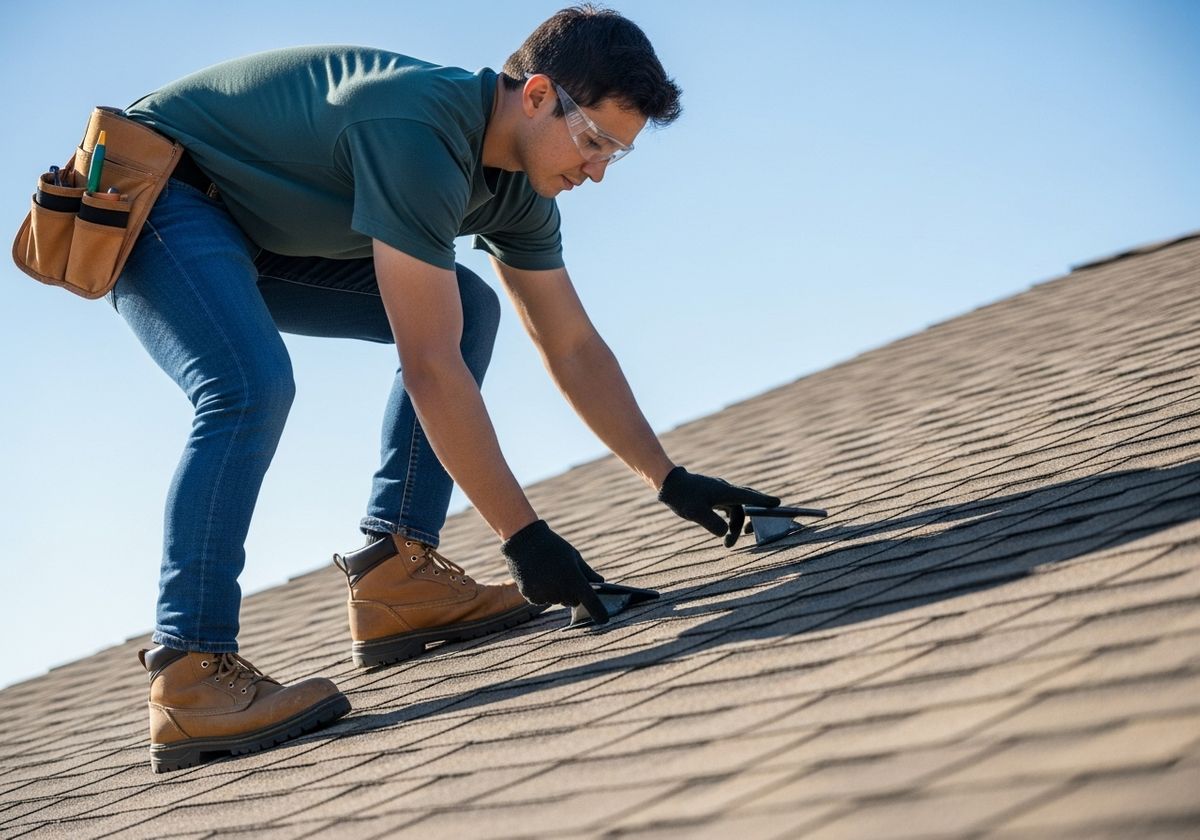
Residential roofing is a crucial element of any home, providing protection from the elements and ensuring the comfort and safety of its inhabitants. However, roofs are constantly exposed to harsh weather conditions, which can lead to leaks over time. In this blog post, we'll explore the common causes of roof leaks, how to identify them, and the steps you can take to fix them. Whether you're a homeowner dealing with a leaky roof or simply looking to learn more about roof maintenance, this guide will provide valuable insights.
Common Causes of Roof Leaks
Several factors can contribute to roof leaks. Understanding these causes can help you prevent and address leaks more effectively. Here are some of the most common culprits:
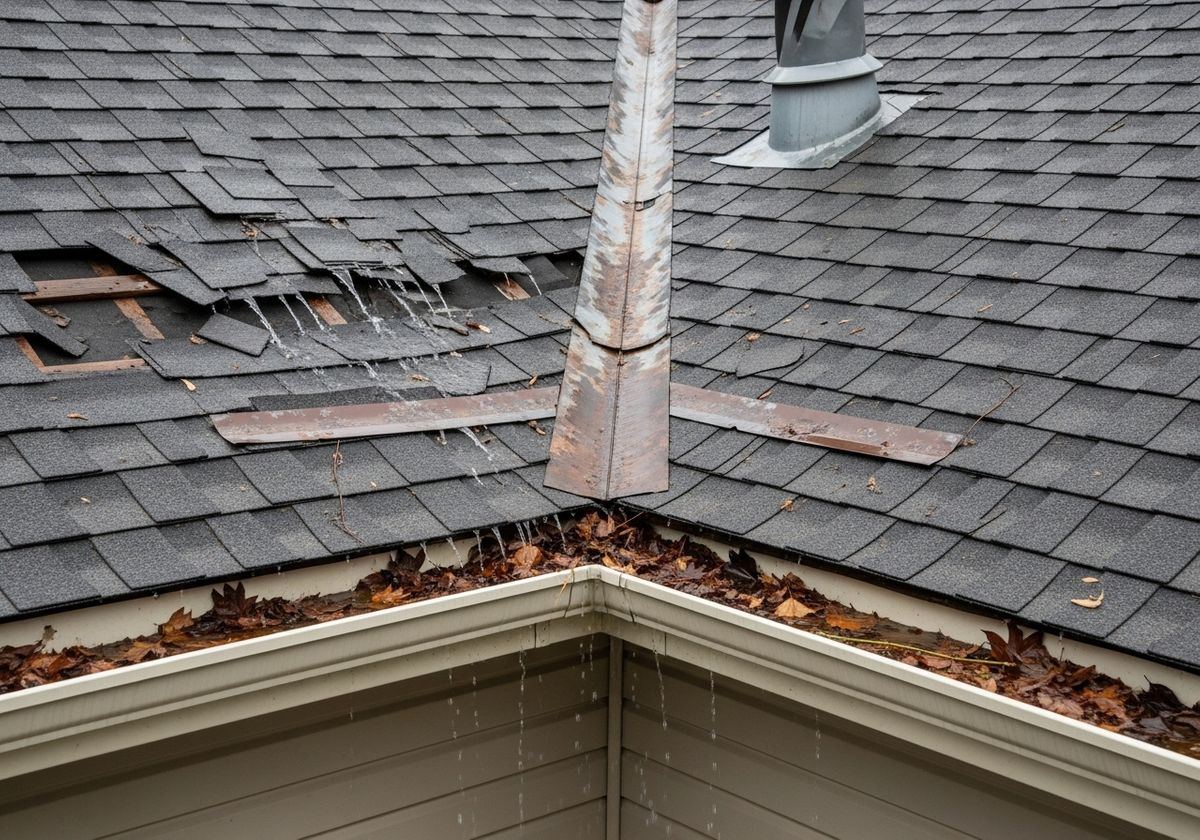
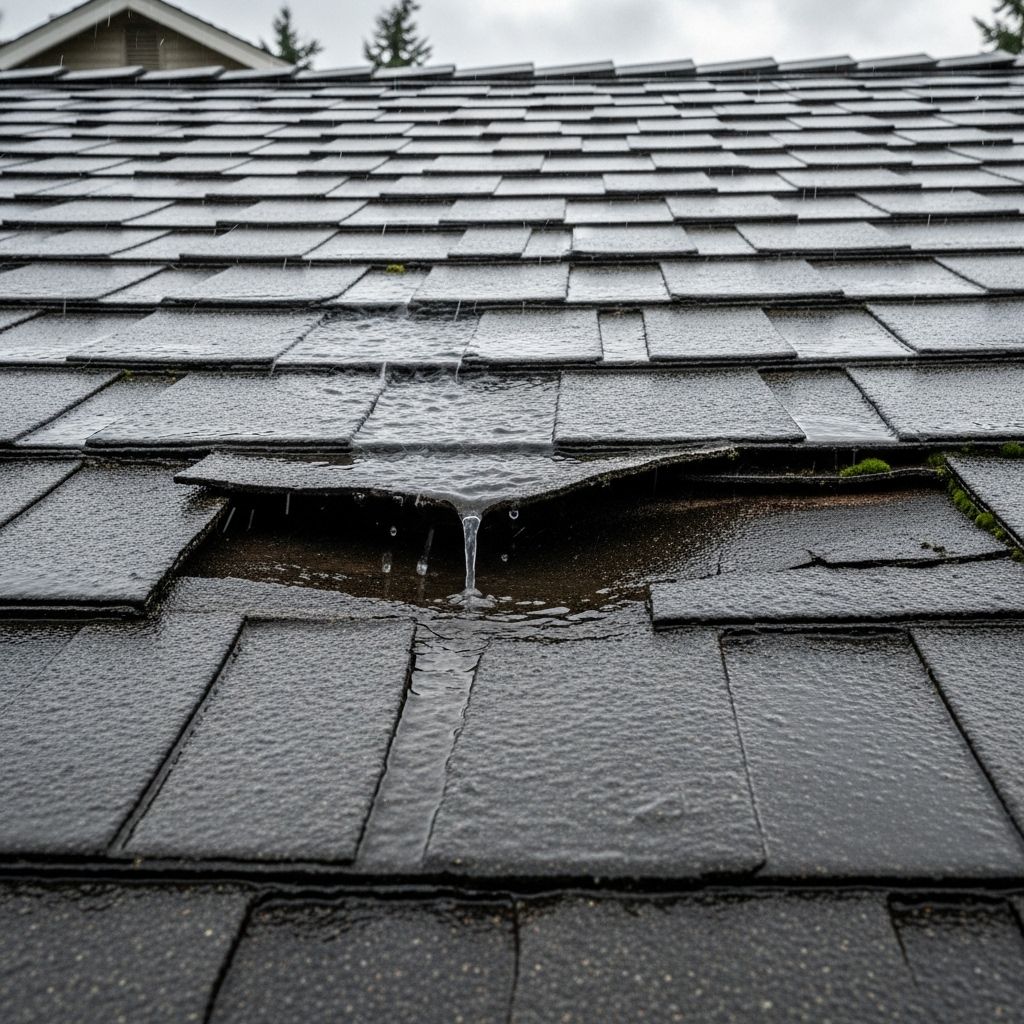
Damaged or Missing Shingles: Shingles are the first line of defense against rain, wind, and sun. When they become damaged, cracked, or missing, water can seep through the exposed areas.
Faulty Flashing: Flashing is installed around chimneys, vents, and skylights to create a watertight seal. If the flashing is improperly installed or becomes corroded, it can lead to leaks.
Clogged Gutters: Gutters that are clogged with leaves and debris can cause water to back up onto the roof, increasing the risk of leaks. Properly working gutters are critical for proper water management.
Roof Age: Over time, roofing materials deteriorate due to constant exposure to the elements. An aging roof is more prone to leaks and other issues.
Poor Installation: Improper installation is one of the most common causes of roof leaks. If the roofing materials aren't correctly installed, they may not provide adequate protection against water infiltration.
Identifying Roof Leaks
Detecting a roof leak early can prevent extensive damage to your home. Here are some signs to look out for:
Water Stains: Look for water stains on your ceiling or walls. These stains often appear as brownish or yellowish spots and may indicate a leak above.
Dripping Water: If you notice water dripping from your ceiling, it's a clear sign of a roof leak. Place a bucket or container to catch the water and prevent further damage.
Mold or Mildew: Mold and mildew growth can indicate moisture buildup due to a roof leak. Check for musty odors or visible mold in your attic or around your home's interior.
Damaged Roofing Materials: Inspect your roof for damaged, cracked, or missing shingles. Also, check the flashing around chimneys, vents, and skylights for any signs of damage.
Fixing Roof Leaks
Addressing a roof leak promptly is essential to prevent further damage. Here are some steps you can take to fix a leaky roof:
Locate the Leak: Find the source of the leak by inspecting your roof and attic. Look for water stains, damaged roofing materials, or signs of water infiltration.
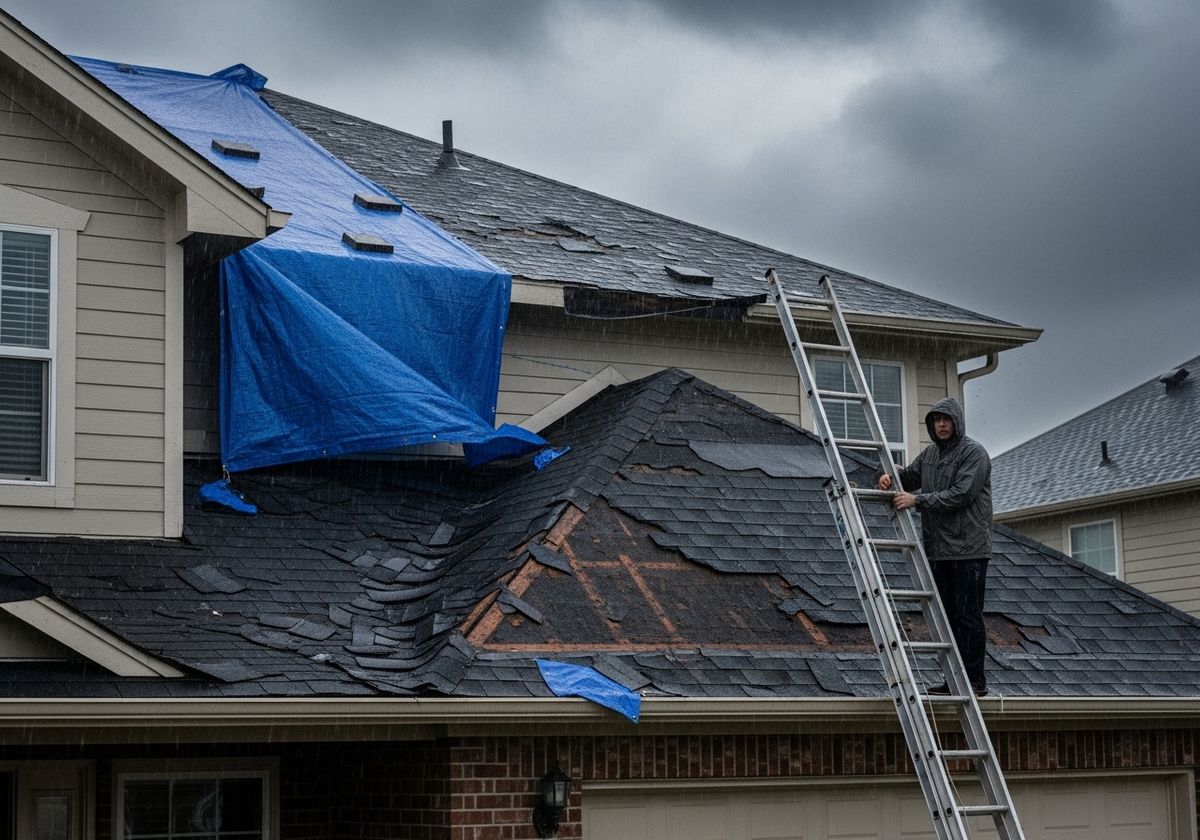
Make Temporary Repairs: If you can't immediately repair the leak, make temporary repairs to prevent further water damage. Cover the affected area with a tarp or plastic sheeting.
Replace Damaged Shingles: If the leak is caused by damaged or missing shingles, replace them with new ones. Be sure to follow the manufacturer's instructions for proper installation.
Repair Flashing: If the flashing is damaged, repair or replace it to create a watertight seal. Use roofing cement to seal any gaps or cracks.
Clean Gutters: Ensure that your gutters are free of debris to prevent water from backing up onto the roof. Clean your gutters regularly to maintain proper drainage.
Roof leaks can be a significant headache for homeowners, but understanding their causes, how to identify them, and the steps to take for repair can help mitigate damage and maintain the integrity of your home. Regular inspections and prompt action are key to preventing costly repairs. At Parrish Builders Group, we understand the importance of a reliable roof. If you're dealing with a persistent leak or need professional assistance with your roofing needs, don't hesitate to reach out to us. Contact us today for a consultation and let us help you keep your home safe and dry.