
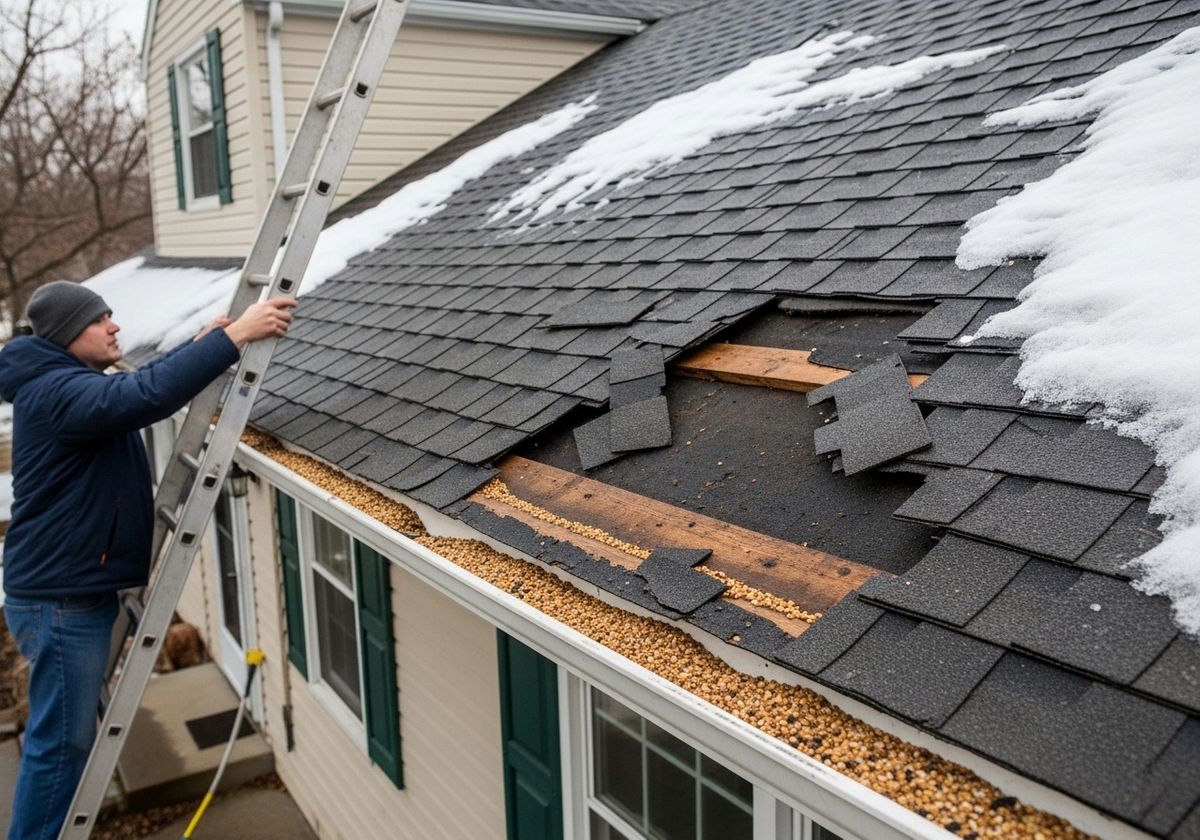
As the snow melts and the days get longer, it's time to assess how your roof weathered the winter. Freezing temperatures, snowstorms, and ice can take a toll on your roof's integrity. Identifying and addressing any damage early can prevent more significant problems down the road. Here's what to look for when inspecting your roof after winter.
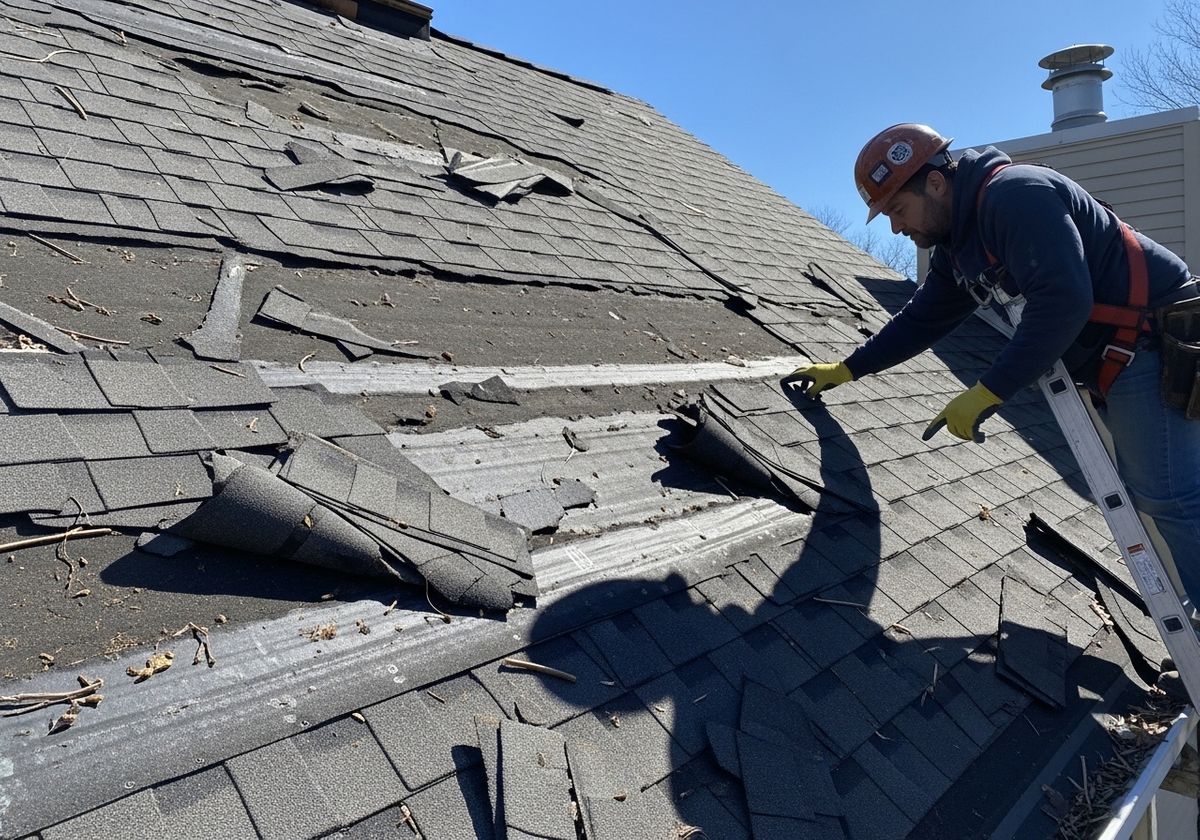
Check for Missing or Damaged Shingles
One of the most obvious signs of roof damage is missing, cracked, or curled shingles. Winter weather can cause shingles to become brittle and break, or high winds can rip them off entirely. Check your roof for any bare spots or shingles that are out of place. Damaged shingles expose the underlayment to the elements, which can lead to leaks and further damage.
Inspect for Granule Loss
Asphalt shingles have a layer of granules that protect them from UV rays and add to their durability. Over time, these granules can wear away, especially during harsh winter conditions. Look for excessive granule loss in your gutters or at the base of downspouts. Significant granule loss can indicate that your shingles are nearing the end of their lifespan and may need replacement.
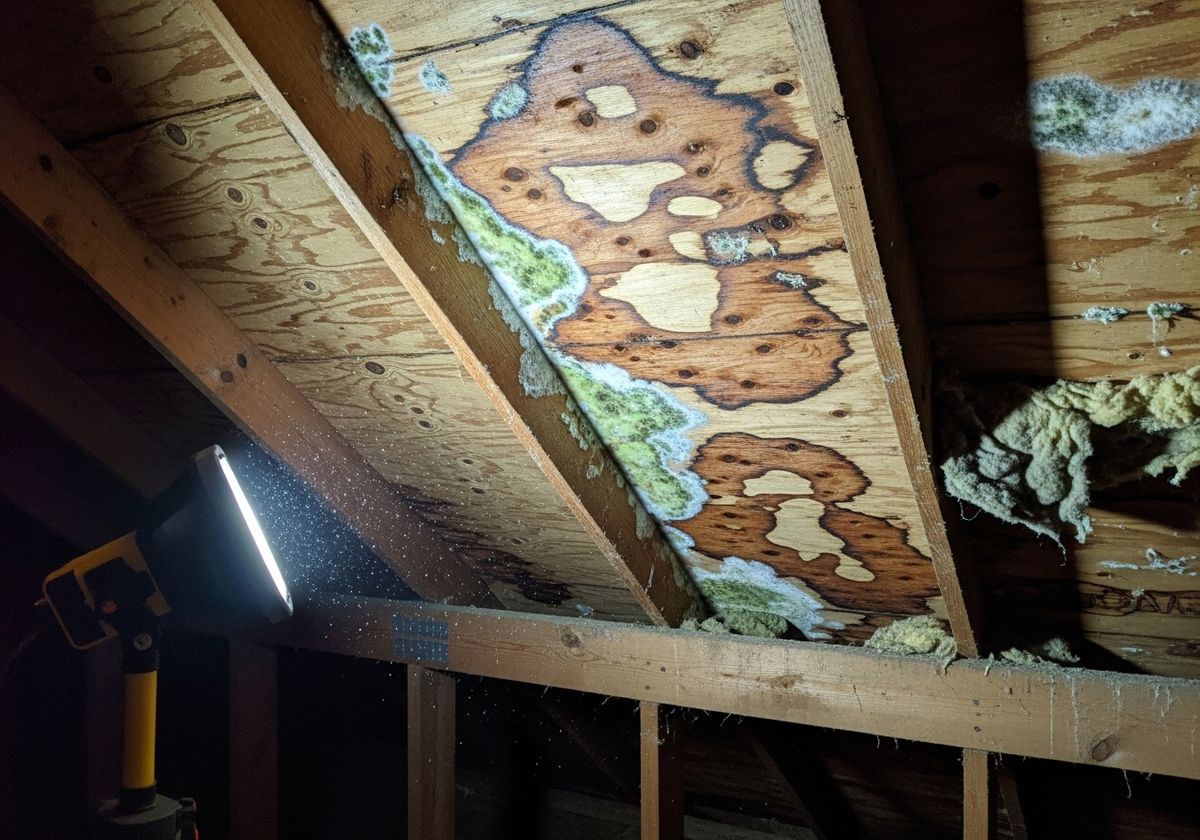
Look for Leaks and Water Stains
Check your attic for any signs of leaks, such as water stains, mold, or mildew. Water stains on the ceiling or walls inside your home can also indicate a roof leak. Leaks can occur due to damaged shingles, ice dams, or faulty flashing around chimneys, vents, and skylights. Addressing leaks promptly is crucial to prevent water damage to your home's structure and interior.
Examine Gutters and Downspouts
Gutters and downspouts play a vital role in directing water away from your roof and foundation. Winter weather can cause gutters to become clogged with ice and debris, leading to ice dams and water backup. Inspect your gutters for any damage, such as cracks, sagging, or loose connections. Clear any debris from the gutters and downspouts to ensure proper water flow.
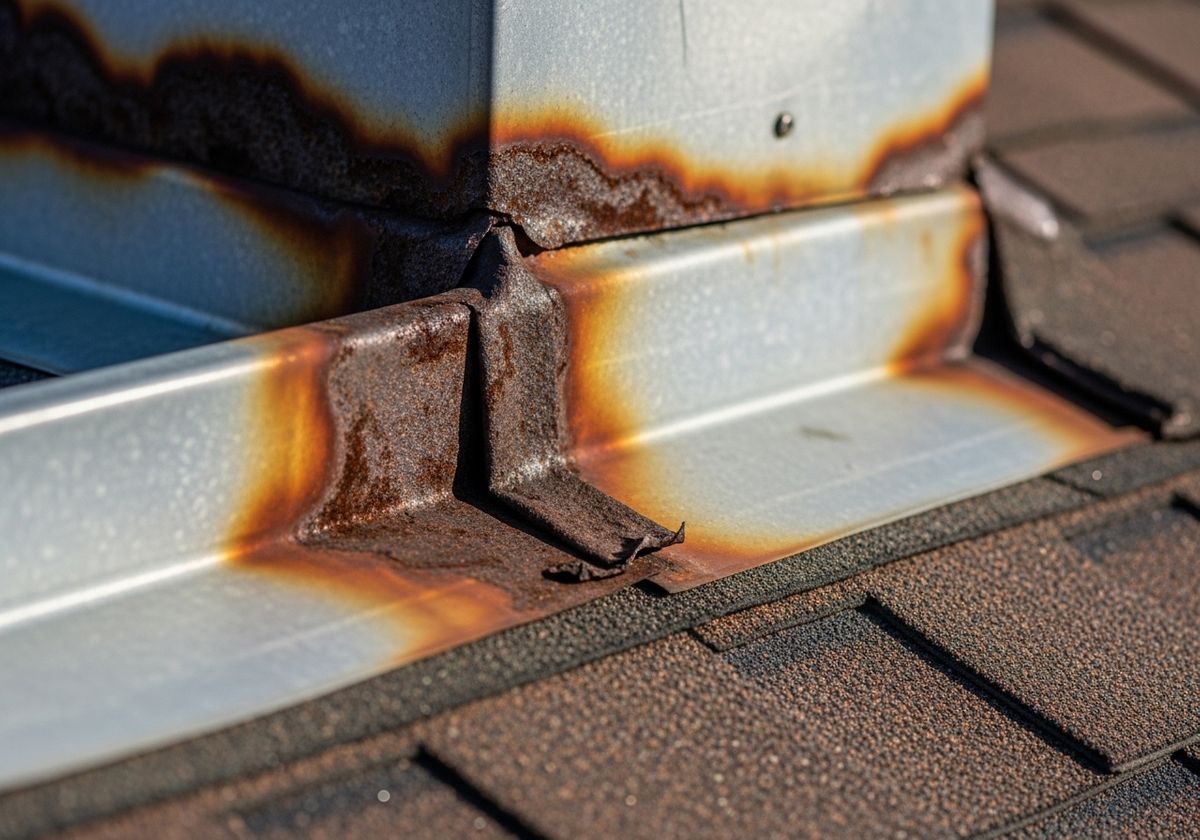
Inspect Flashing
Flashing is the material installed around chimneys, vents, skylights, and other roof penetrations to prevent water from seeping in. Winter weather can cause flashing to become damaged, corroded, or dislodged. Check the flashing around these areas for any signs of damage or wear. Damaged flashing can allow water to penetrate the roof and cause leaks.
Regular roof inspections are essential for maintaining the integrity of your home. By following these tips, you can identify and address any potential issues before they escalate into costly repairs. For comprehensive residential roofing, commercial roofing, or roof repairs, contact Parrish Builders Group today. Our team of experienced professionals can assess your roof's condition and provide the necessary repairs or replacements to keep your home protected.